

· AFX Research
Unrecorded Deeds and Side Agreements in a Property Settlement
A deed nobody recorded and a promise nobody wrote down are the two most common loose ends in a property settlement. What the record shows, and what it cannot.
Table of Contents
Two documents get signed at the end of a lot of divorces, and only one of them ever reaches the county. The deed carrying out the property division goes into a file folder, and the understanding about who pays the mortgage until the house sells stays a conversation. Years later, when the house is listed or refinanced, both come back — and only the recorded half is something a title examiner can see. This is the follow-through problem behind the decree versus the deed, viewed from the other end.
What recording actually accomplishes
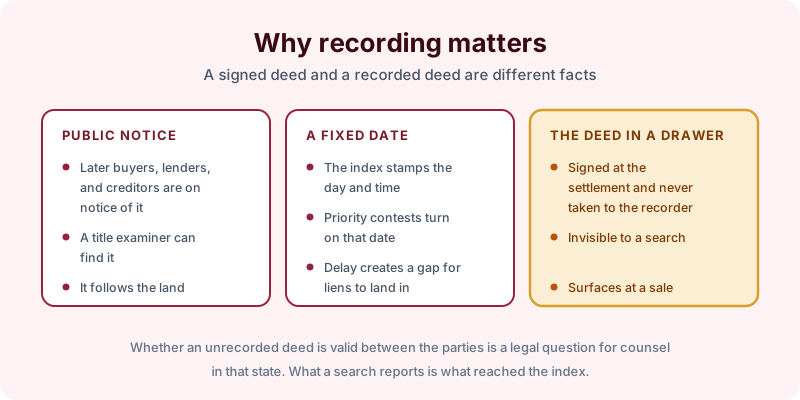
Recording gives notice. Once an instrument is in the index, later buyers, lenders, and creditors are treated as knowing about it, and a title examiner searching the parcel will find it.
Recording fixes a date. The index stamps the day and time, and priority contests between a deed and a lien frequently turn on exactly that. A deed signed in March and recorded in September leaves a six-month window in which a judgment against the transferring spouse can attach.
An unrecorded deed is invisible to a search. Whether it is valid between the two people who signed it is a question of state law and one for counsel, not for an abstractor. What is not in doubt is the practical effect: the county record continues to show the old vesting, and everyone who relies on the record will act accordingly.
There is a second reason the gap matters, and it has nothing to do with bad faith. Recording fees, transfer taxes, and local filing requirements vary, and a deed rejected by the recorder for a missing notary block, an incorrect legal description, or an unpaid transfer tax simply comes back in the mail. If nobody is watching for the recorded copy, the deed stays unrecorded for years without anyone deciding that it should.
Side agreements live outside the record
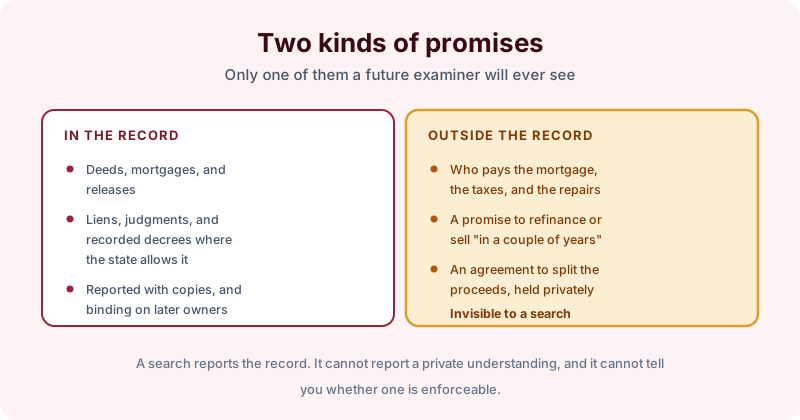
The second category is the private arrangement. Who pays the mortgage, the taxes, and the roof repair. A promise to refinance “in a couple of years.” An agreement to split the proceeds differently from what the deed suggests. An understanding that one spouse stays on title only until the youngest child finishes school.
None of that is recorded, so none of it appears in a search, and none of it binds a later buyer or lender. That does not make these arrangements worthless — it makes them enforceable, if at all, between the parties rather than against the property. When the intention is for something to run with the land, the instrument has to say so and has to be recorded, which is a drafting decision for counsel.
Confirming the follow-through
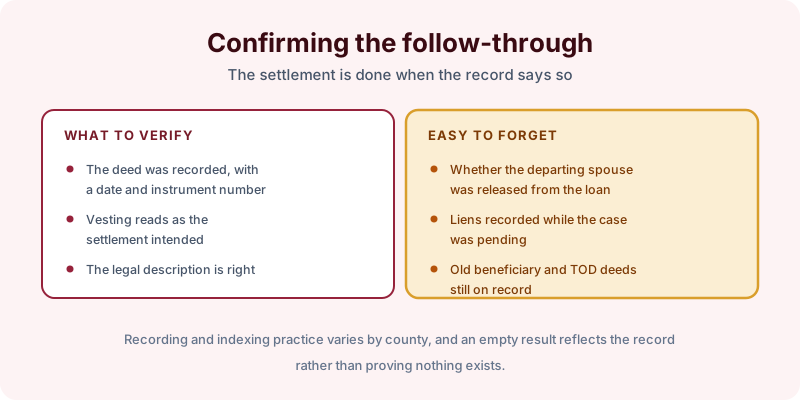
The cheap fix is a short search after the settlement closes. Confirm the deed was recorded, with a date and instrument number. Confirm the vesting reads the way the settlement intended and that the legal description matches the parcel rather than the tax bill.
Then check the items that tend to be forgotten. Whether the departing spouse was actually released from the loan, which is a lender question rather than a recording one, as our note on refinancing the marital home explains. Whether any lien was recorded while the case was pending. Whether an old beneficiary or transfer on death deed is still sitting in the index naming a former spouse.
What comes back is what was recorded and indexed for that parcel and those names over the term searched, with copies attached. Recording and indexing practice varies by county, an empty result reflects the record rather than proving nothing exists, and whether an unrecorded document is enforceable is a legal conclusion rather than a search finding. Our process page describes what a search covers.
One timing note for anyone still negotiating. The moment to insist on recording is while the court still has the parties’ attention. A deed that is signed, delivered, and recorded as part of the settlement costs nothing extra; the same deed chased down two years later may require a cooperative former spouse who has moved, remarried, or stopped answering email, and in some cases a motion to enforce.
The takeaway
Put the deed on record, and put anything meant to survive into a recorded instrument. Then verify both, because a settlement is finished when the county record says it is, not when the last signature dries. Start the order online, or send us the names and addresses and we will tell you what a search of that scope would and would not cover before anything is ordered.