

· AFX Research
Refinancing the Marital Home: What the Title Search Shows
The deed and the loan are separate documents, and a refinance is where that gap gets expensive. What the record has to show before an underwriter will close.
Table of Contents
One of the most common settlement structures in a divorce is also one of the most fragile: one spouse keeps the house and refinances to buy the other out. The refinance is doing two jobs at once, moving ownership and moving debt, and those are governed by different documents in different places. When the deal stalls, it is almost always because the county record does not yet say what the settlement assumes it says. This is the follow-through problem behind one spouse on the deed and both on the mortgage.
The deed and the loan are not the same thing
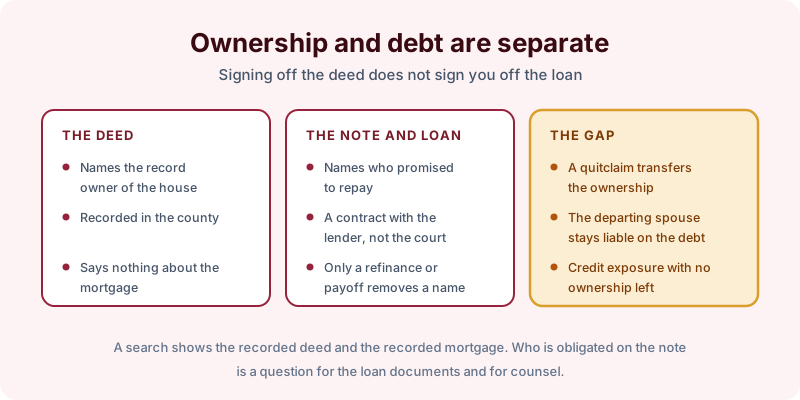
The deed names the record owner. It is recorded in the county, it is what a title search reports, and it says nothing at all about who owes the mortgage.
The note and mortgage are a contract with the lender. A divorce court can order one spouse to pay the loan, but the order binds the spouses — it does not release anyone from a promise made to a lender who was not a party to the case. The only reliable ways off a mortgage are a refinance, a payoff, or a formal assumption or release the lender agrees to in writing.
The gap between those two facts is where people get hurt. A quitclaim deed signed at the settlement conference can leave a departing spouse with no ownership and continuing credit exposure on a loan secured by a house they no longer have any right to enter. Whether that exposure exists in a given case depends on the loan documents, and reading them is work for counsel rather than for an abstractor.
What has to be clean in the record
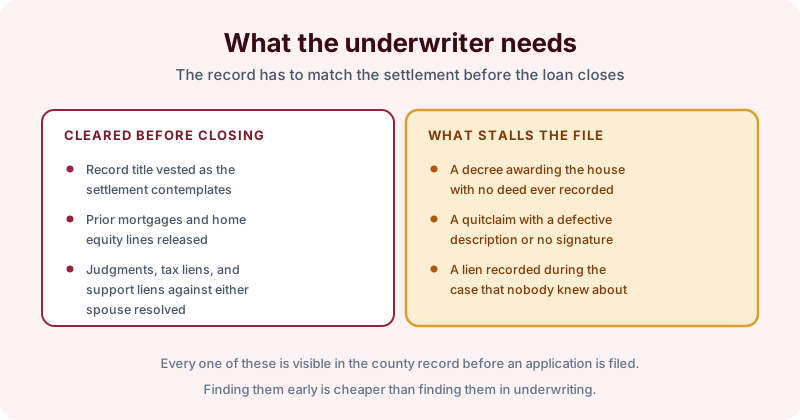
Underwriting on a divorce refinance is stricter than on an ordinary one, because the lender is being asked to rely on a settlement it cannot see. The record needs to show vesting consistent with the settlement, prior mortgages and home equity lines released, and no unresolved liens against either spouse attached to the property.
That last item is the frequent surprise. A judgment, a state tax lien, or a support lien recorded against either spouse during the case can attach to the marital home, as our note on liens against marital property explains. So can a mechanic’s lien from work done during the separation.
The other frequent surprise is a decree that was never carried out. A judgment awarding the house to one spouse is an order between the parties; in most places it is a recorded deed that moves record title, which is the distinction covered in divorce decree versus deed. A file with the decree and no deed is a file that will not close.
When to look
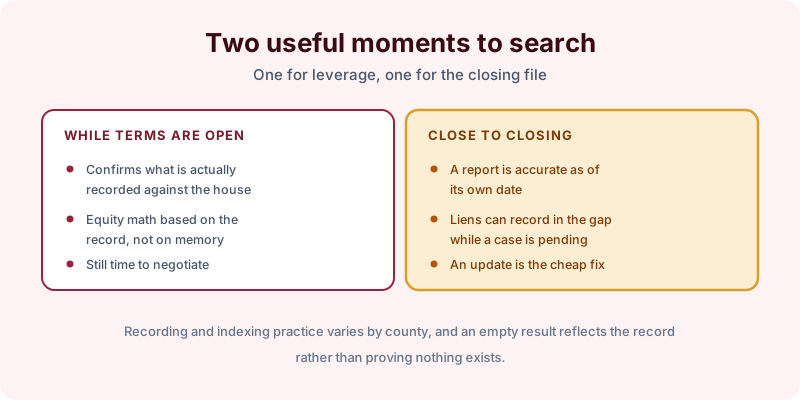
Twice, ideally. Once while the terms are still open, so the equity math and the buyout number rest on what is actually recorded against the house rather than on what someone remembers. And once close to the refinance, because a report is accurate as of its own date and liens do get recorded while a case is pending.
The first search is the one with leverage attached. Discovering an undisclosed home equity line or a recorded judgment before the numbers are agreed is a different conversation than discovering it in underwriting three days before closing. Our process page walks through what a search covers, and a search of the county record will report the deeds, mortgages, liens, and judgments found of record for the parcel and the names searched, with copies of the instruments.
What it will not do is tell you who is obligated on the note, whether a lien is enforceable, or how a decree should be interpreted. Those are legal conclusions. Recording and indexing practice varies by county, and an empty result reflects the record rather than proving nothing exists.
The takeaway
Treat the refinance as two separate tasks: get record title where the settlement says it should be, and get the debt actually moved with the lender’s agreement. Confirm the first in the county record before you rely on it, early enough that a surprise is still negotiable. Start the order online, or send us the names and addresses and we will tell you what a search of that scope would and would not cover before anything is ordered.