

· AFX Research
Transfer on Death Deeds in a Divorce Property Settlement
A TOD deed signed during the marriage can still be sitting in the county record years after the divorce. What it does, what a decree does not do, and what to check.
Table of Contents
Transfer on death deeds are popular for a good reason: they move a house to a named beneficiary at death without probate, and they cost almost nothing to set up. They are also easy to forget, which makes them a recurring loose end in divorce property work. A deed signed during the marriage naming the other spouse stays in the county record until something else is recorded, and the moment it matters is a funeral rather than a hearing. The same follow-through gap shows up in our note on deeds recorded during a separation.
What a TOD deed actually does
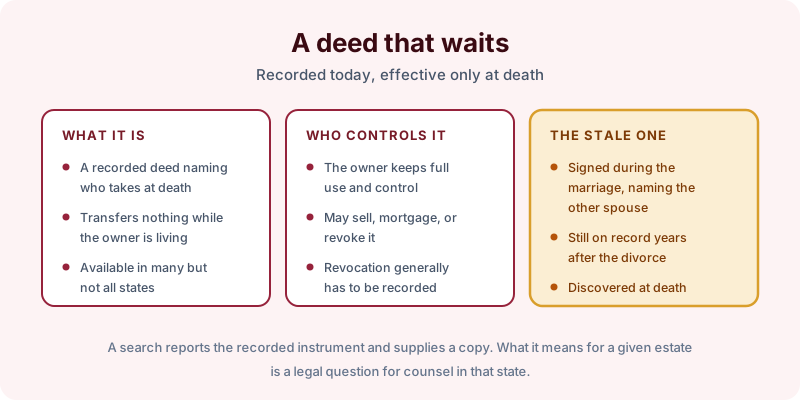
It is recorded now and effective later. The owner records a deed naming who takes the property at death. Nothing transfers while the owner is alive, and the beneficiary has no present interest, no right of possession, and nothing a creditor of theirs can reach.
The owner keeps control. They can live there, mortgage it, sell it, or revoke the designation, and a sale during life generally defeats the TOD entirely because there is nothing left to pass. Revocation typically has to be recorded to be effective, which is the detail that matters here.
Availability varies. A majority of states authorize these deeds, under names including transfer on death deed, beneficiary deed, and revocable transfer on death deed, and the requirements differ. Several states do not permit them at all.
Does the divorce revoke it?
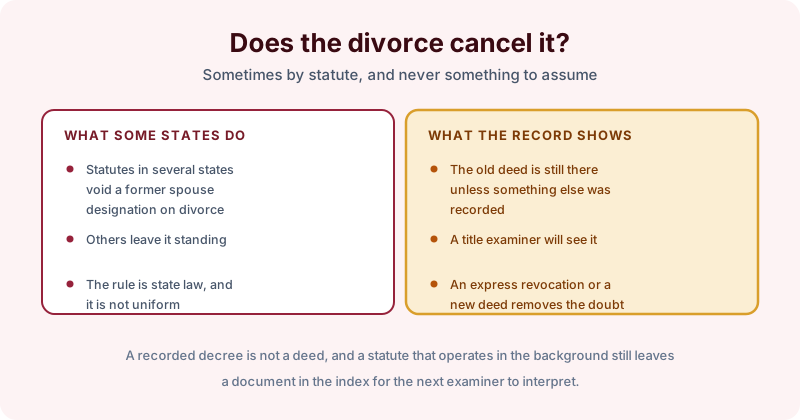
Sometimes, and it is not something to rely on. A number of states have statutes that void a former spouse’s beneficiary designation on divorce, mirroring the rules applied to wills and to some non-probate transfers. Others do not, and the interaction between such a statute, a marital settlement agreement, and the deed’s own terms is genuinely state specific.
Two practical points follow. First, whatever the statute does in the background, the old deed is still sitting in the index, and the next title examiner or estate lawyer has to interpret it. Recording an express revocation, or a new deed, replaces an argument with a document. Second, a recorded decree is not a deed. It may resolve rights between the spouses without changing what the land record shows, the same distinction our note on the divorce decree versus the deed covers at length.
Whether a particular designation survived a particular divorce is a legal question for counsel in that state. What can be established from the record is what was recorded and when.
Finding them in a settlement
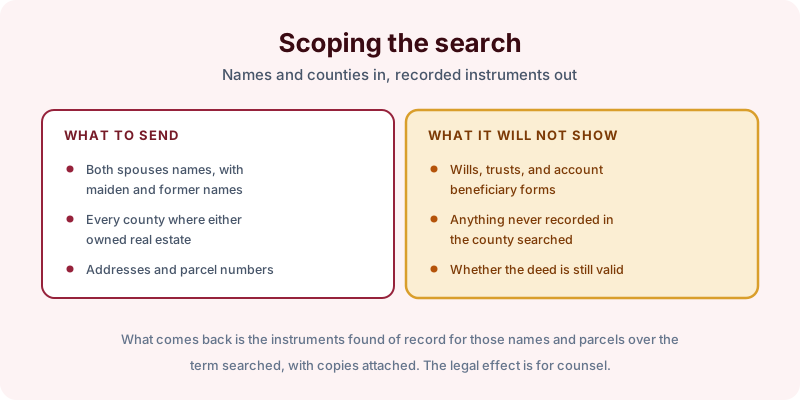
These deeds are recorded, which is exactly why a records search can find them. Send both spouses’ names, including maiden and former names, and every county where either owned real estate. A TOD deed on a rental property in another state, or on a lot inherited from a parent, is the kind of item nobody lists on a financial affidavit, which is the ground covered in finding undisclosed real estate in a divorce.
What comes back is the instruments found of record for those names and parcels over the term searched, with copies attached, so counsel can read the actual language rather than an index summary. What does not come back is anything that was never recorded: wills, trust documents, and beneficiary forms on accounts and life insurance all sit outside the land records. Recording practice varies by county, an empty result reflects the record rather than proving nothing exists, and validity is a legal conclusion rather than a search finding.
One timing note. This check belongs on the closing checklist for the settlement, alongside the deed that carries out the property division. It is far easier to record a revocation while both parties are cooperating under a court’s supervision than to litigate a designation after one of them has died.
The takeaway
A TOD deed is a recorded instrument that survives until another recorded instrument replaces it. If either spouse ever signed one, find it, and handle it deliberately as part of the settlement rather than trusting a statute to clean up after the fact. Start the order online, or send us the names and addresses and we will tell you what a search of that scope would and would not cover before anything is ordered.