

· AFX Research
Deeds Recorded During a Separation: What the Dates Reveal
Why every instrument carries two dates, which filings cluster in the months before a decree, and why a dated transfer is evidence rather than a conclusion.
Table of Contents
The months between a separation and a decree are an unusually active period in the county index. Deeds get signed, equity lines get drawn, entities get formed, and contractors get hired and sometimes not paid. All of it is recorded, all of it is dated, and the dates are what turn a settlement argument from recollection into something both sides can read off the same page. The decree itself is a separate document from anything that happens to title, and this is about the window before it.
Two dates on every instrument
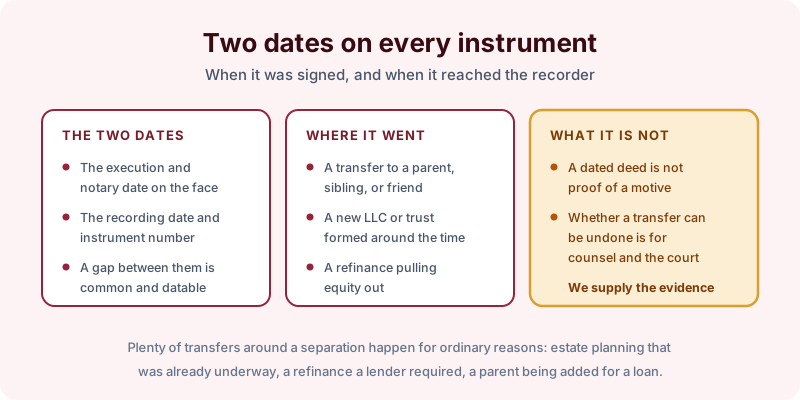
Every recorded instrument carries an execution date on its face, usually with a notary acknowledgment, and a recording date stamped when it reached the recorder. A gap between the two is entirely ordinary, and it is also informative: a deed signed in March and recorded in September tells a different story from one recorded the same week.
What the index shows about destination matters too. A transfer to a parent, a sibling, or a friend. A conveyance into an LLC or a trust formed around the same time. A refinance that pulled equity out of the marital home. Each is dated, each names the parties, and each can be copied.
Here is the discipline that keeps a report useful. A dated deed is not proof of a motive. Plenty of transfers around a separation happen for reasons that have nothing to do with the case: estate planning already underway, a lender requiring a parent on title, a refinance that needed both signatures. Whether a particular transfer can be challenged or undone is a question for counsel and the court, and it turns on state law and on evidence well beyond the index. Our job is to establish that it happened, when, and to whom.
Deeds are not the only filings
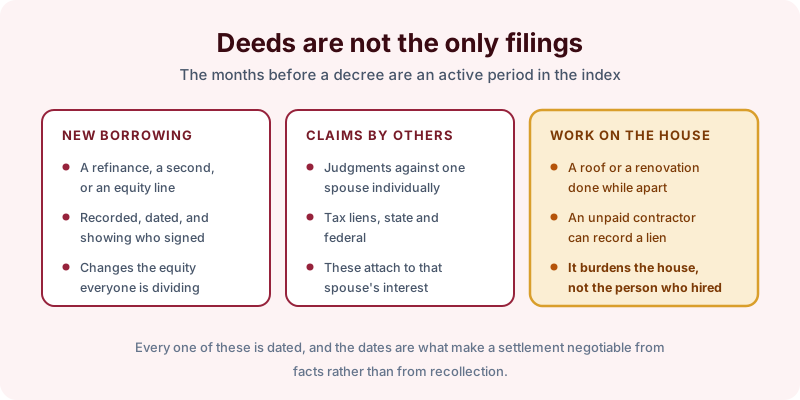
The deed gets the attention and the encumbrances often matter more to the numbers.
New borrowing. A refinance, a second mortgage, or an equity line recorded during the separation changes the equity everyone is dividing, and the instrument shows who signed it.
Claims by others. Judgments against one spouse individually, and state or federal tax liens, attach to that spouse’s interest and travel with it. Our note on liens against marital property covers how those behave in a division.
Work on the house. A roof or a renovation done while the parties lived apart, with a contractor left unpaid, can produce a mechanic’s lien. That lien burdens the property rather than the person who signed the contract, which surprises whichever spouse ends up keeping the house. Recording windows and priority rules for that kind of lien are set by state statute and vary, so the timing question goes to counsel.
There is also the quiet category: nothing recorded at all. A spouse who stops paying the mortgage during a separation leaves no filing until the lender acts, and by then the file has a default and a possible notice in it. Ordering the search early gives everyone a baseline to measure against rather than a surprise late in the case.
Choosing the window
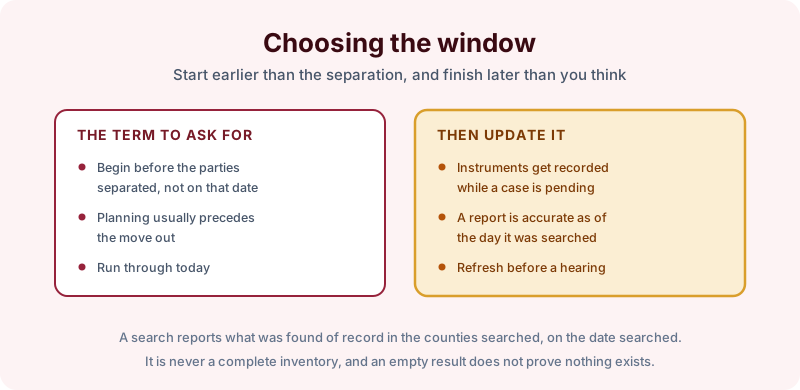
Start the term meaningfully before the separation date rather than on it, because planning generally precedes a move out, and run it through the present day. Then refresh it. Instruments get recorded while a case is pending, and a report is accurate as of the day it was searched, so an update before a hearing is the only thing that covers the interval.
Beyond that the usual limits apply and are worth restating to a client. A search reports what was found of record in the counties searched, on the date searched. It is never a complete inventory of what a person owns, recording and indexing practice varies by county, and an empty result does not prove nothing exists.
The takeaway
Read both dates on every instrument, look past the deeds to the mortgages and liens recorded in the same window, start the term before the separation, and update it before you walk into a hearing. Start the order online, or send us the names and the counties and we will tell you what a search of that scope would and would not cover before anything is ordered.