

· AFX Research
How a Divorce Buyout Gets Secured Against the Marital Home
Why a promise in the decree is not a lien, the instruments that turn a buyout into one, where it ranks against the refinance, and the searches that confirm it landed.
Table of Contents
The settlement says one spouse keeps the house and pays the other for their share of the equity. Sometimes a refinance funds that at closing. Often it does not — the payment comes due in three years, or five, or when the youngest child finishes school, and until then it is a number on a piece of paper in a court file.
The question worth asking at the table is what happens to that number if the paying spouse stops paying, sells, borrows against the house, or has a creditor arrive first.
A promise in the decree is not automatically a lien
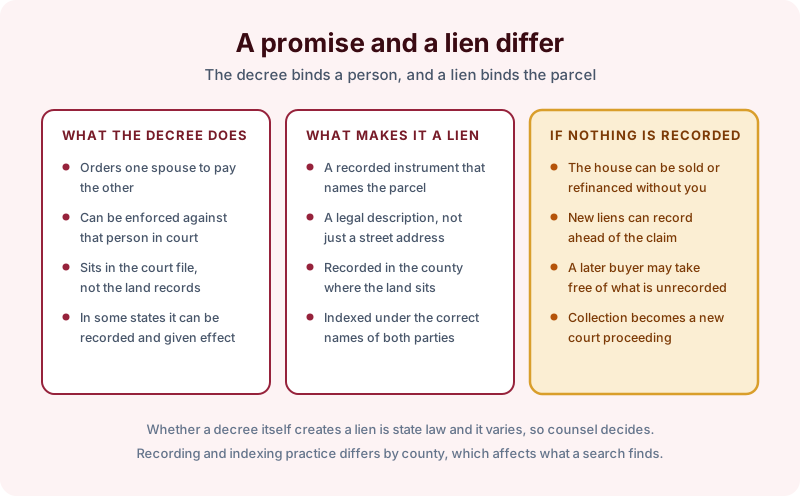
A divorce decree binds people. It orders one spouse to pay the other and can be enforced against that spouse in court. What it does not necessarily do is attach to the land.
Some states allow a certified copy of the decree, or an abstract of the judgment inside it, to be recorded and given lien effect where the property sits. Some require the decree to describe the real property first. Some give it no effect until a separate instrument is recorded. Whether a decree encumbers a parcel is a legal question, not one an abstractor decides.
An abstractor can tell you whether anything reached the land records, on what date, and under whose names.
What turns a buyout into an encumbrance
In practice the obligation gets secured by an instrument that names the parcel and is recorded where the land sits. Two forms show up most often.
A deed of trust or mortgage running from the spouse keeping the house to the spouse leaving it, securing a note for the buyout amount. Lenders recognize it on sight.
A device built for dividing co-owned property, sometimes called an owelty lien, securing the payment owed for equality of division. Where homestead protections limit what can encumber a residence it is occasionally the cleanest route available.
Terminology is local. The point underneath it is not. The instrument has to name the land by legal description rather than a street address, and it has to be recorded and indexed correctly, or a later search will not find it.
Where it ranks against the refinance
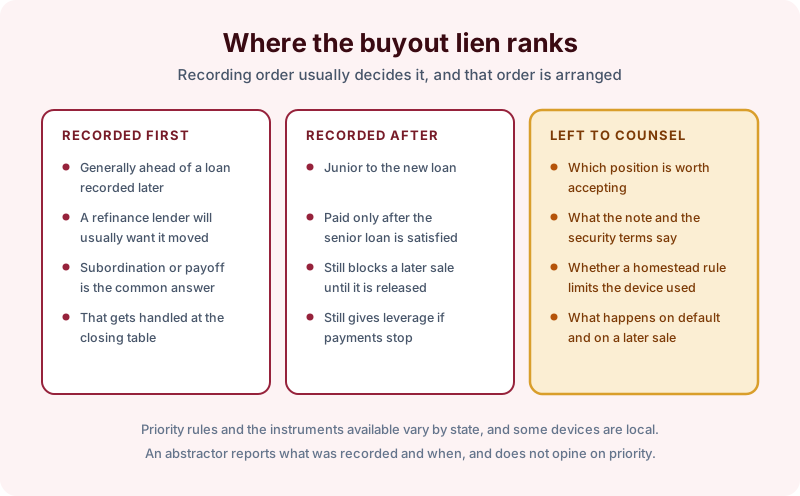
Most buyouts are funded by refinancing, and the lender on that refinance wants first position. That sequencing gets resolved at the closing table rather than in the decree.
If the buyout instrument records before the new loan, the lender will generally require it to be subordinated or paid off. If it records after, it is junior — behind the new loan, but still an encumbrance that blocks a later sale until released.
Neither position is automatically wrong. Which one is acceptable, and what happens on default, are questions for counsel. Refinancing the marital home carries its own search timing, and the two have to line up.
Confirming the instrument actually landed
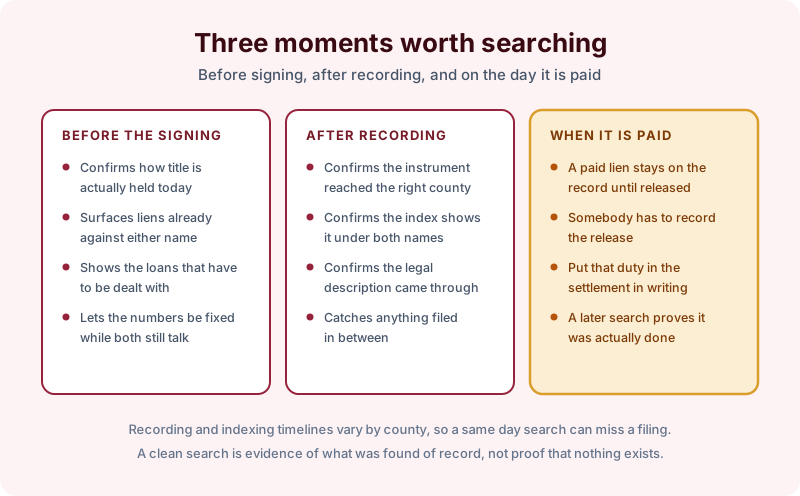
This is the step people skip, and the failures are boringly mechanical. The document was signed and never delivered to the recorder. It went to the county where the lawyer’s office is rather than where the land is. The legal description rode along as an exhibit nobody scanned. A name was misspelled in the index, so a later name search does not return it.
A search run after recording catches those while they are still fixable, and how we scope it starts from both names rather than the address. It also catches what else was filed in the gap, because a decree does not move title on its own and that window is where new liens arrive.
Releasing it once the payment is made
Five years later the payment clears and everybody moves on without recording anything. The lien is still in the index, and it surfaces when the house is sold, with the holder hard to reach and occasionally deceased.
Whoever holds the security should record a release or reconveyance, and the settlement should say so in writing, with a deadline. The spouse who paid needs it done, so negotiate that duty up front rather than chasing it later.
The takeaway
A buyout written into a decree is a promise. A recorded instrument naming the parcel is a lien. The difference surfaces years later, when the house sells and somebody has to be paid from the proceeds. Get something recorded, confirm it landed under both names with a correct legal description, and agree in advance who records the release. A search reports what was found of record, and the legal weight of it belongs to counsel.
Start the order online, or send us the names and addresses and we will tell you what a search of that scope would and would not cover before anything is ordered.