

· AFX Research
One Name on the Deed, Two on the Mortgage: What the Record Shows
Why ownership and debt are separate documents, the four ways the names line up, and which facts come from the county index rather than the lender.
Table of Contents
A surprising number of settlements are negotiated on the assumption that whoever is on the deed is on the loan. They are separate documents, executed for separate reasons, and they disagree more often than not. Sorting out which is which early avoids a settlement that allocates a house cleanly and leaves a debt allocated to nobody. Our note on quitclaim deeds covers what a transfer does; this is about the mismatch that exists before anyone transfers anything.
Ownership and debt are different instruments
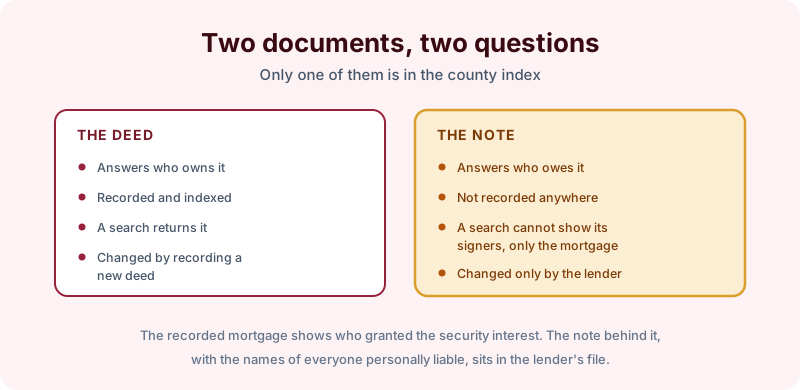
The deed answers who owns the property. It is recorded, it is indexed, and a search returns it. Changing it means recording a new deed.
The note answers who owes the money. It is not recorded anywhere. What gets recorded is the mortgage or deed of trust, the security instrument, which names whoever granted the lien against the property. Those are usually the same people as the borrowers, but not always, and the note itself with the names of everyone personally liable sits in the lender’s file rather than the county’s.
That asymmetry is the whole issue. A search can tell you who signed the recorded mortgage. It cannot tell you the full list of people a lender can pursue.
The four combinations
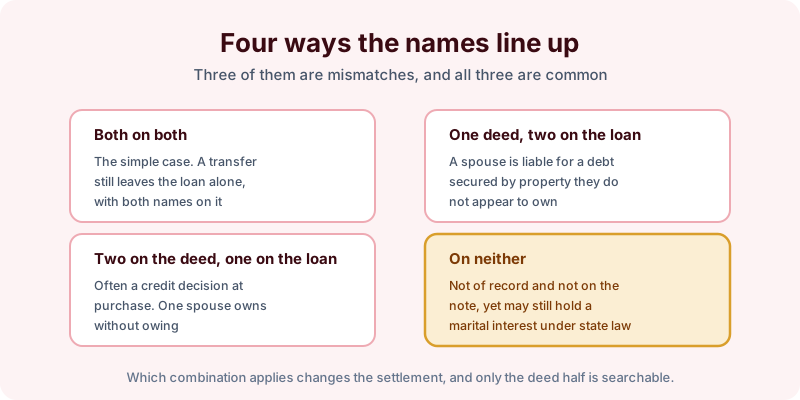
Both on both. The simple case, and even here a transfer leaves the loan alone with both names on it.
One on the deed, both on the loan. A spouse is personally liable for a debt secured by property they do not appear to own. This is the combination that causes the most trouble after a settlement, because the liability survives a transfer and the credit consequences land on someone with no recorded interest.
Both on the deed, one on the loan. Frequently a credit decision made at purchase, where one spouse’s income or score carried the application. One spouse owns without owing.
On neither. Not of record, not on the note, and depending on the state and how the property was acquired, potentially still holding a marital interest. That possibility is a legal question, not a records one, and it belongs with counsel licensed where the property sits.
Which facts come from where
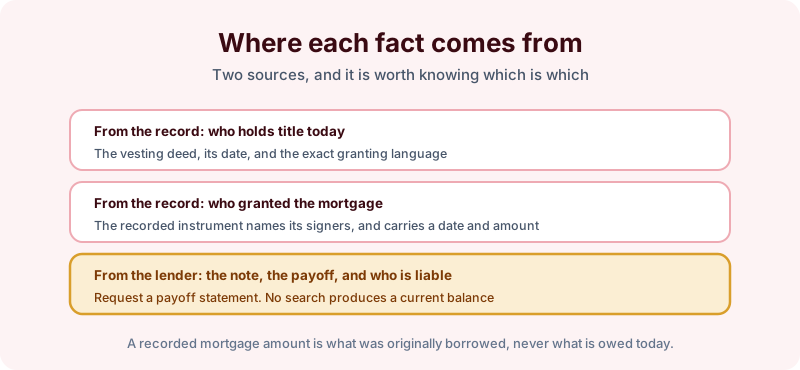
From the record: who holds title today, the vesting deed with its date and exact granting language, and every recorded mortgage with its signers, date, and original amount.
From the lender: the note, the current payoff, and the full list of liable parties. Request a payoff statement, because no search produces a current balance. A recorded mortgage amount is what was originally borrowed, and on a fifteen year old loan it bears no useful relationship to what is owed today. Building an equity figure off a recorded amount is a reliable way to get the number wrong.
What actually removes a name
Two things, and a deed is neither of them. A refinance in one spouse’s name pays off the joint loan and replaces it. An assumption transfers the obligation where the loan permits one and the lender approves, which is less commonly available than people expect.
Both require the lender’s participation, and a settlement agreement cannot compel a lender who was not party to it. Where an agreement says one spouse “will be responsible for the mortgage,” that allocates the obligation between the spouses and does nothing to the lender’s rights against either of them. Whether a refinance is realistic is worth establishing before the agreement is drafted rather than after, and where the plan is to sell instead, the recorded stack sets what is left to divide.
A report states what was found of record in the county searched, on the date searched. It is not an inventory of anyone’s debts, and an empty result does not prove there are none. Our products page covers the available scopes.
The takeaway
Read the deed and the loan as two separate questions, get a payoff statement rather than working from the recorded amount, and confirm a refinance is achievable before an agreement assumes it. Start the order online, or send us the address and the names and we will tell you what a search of that scope would and would not cover before anything is ordered.