

· AFX Research
Home Equity Lines in a Divorce: The Balance Nobody Can See
A recorded credit line states a limit rather than a balance, and an open line can be drawn against after separation. What the record shows, and what only the lender has.
Table of Contents
Every other encumbrance on the marital home is a fixed number that only goes down. A home equity line is the exception, and it is the one item in a property division that can grow while the case is pending without anything appearing in the county record. That combination, an amount the record does not state and a mechanism for adding to it silently, makes it worth handling separately from the rest of the inventory in our note on liens against marital property.
A limit, not a balance
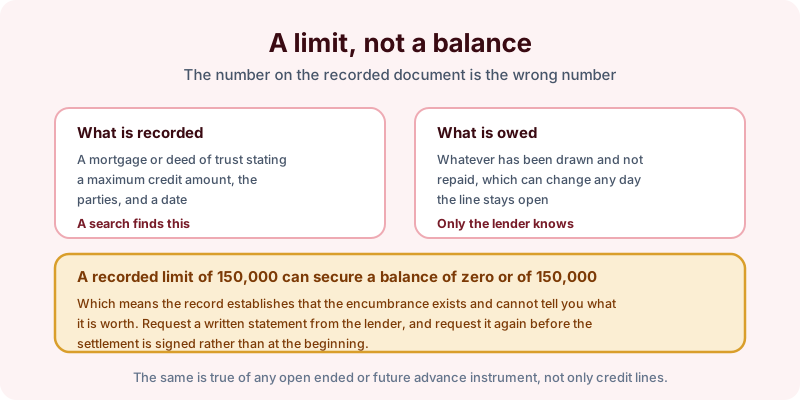
The recorded instrument is a mortgage or deed of trust, and it states a maximum credit amount along with the parties and the date. That maximum is not a balance. A line recorded at 150,000 can secure nothing at all or the full amount, and the record reads identically either way.
So the search establishes that the encumbrance exists and cannot tell you what it is worth. Only a written statement from the lender does that. Request one early, and request it again before the settlement is signed, because the first figure has a short shelf life. The same caution applies to any open ended or future advance instrument, not only to consumer credit lines.
One signature, both liable
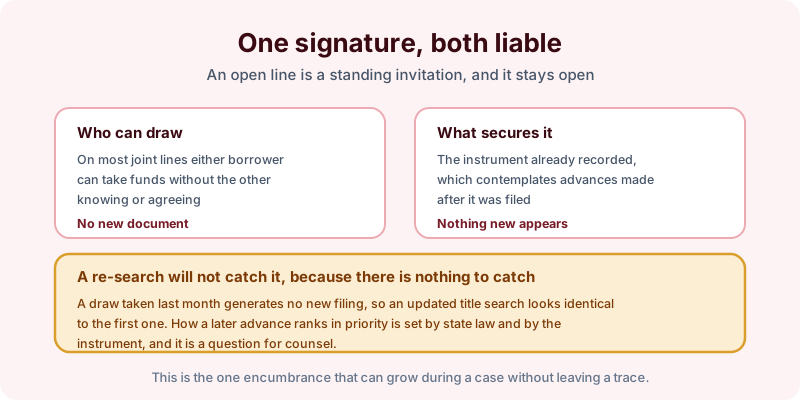
On most joint lines either borrower can draw without the other’s knowledge or consent. The funds come out, the balance goes up, and the debt is secured by the instrument that was recorded years ago.
That is why a re-search does not catch it. A draw taken last month produces no new filing, so an updated title report looks exactly like the original one. This is the only encumbrance we deal with regularly that can expand during a case while leaving no trace in the index. How a later advance ranks against other liens is set by state law and by the instrument’s own terms, and that is a question for counsel rather than a records finding.
Second mortgages behave better in this respect, because a closed end second is a fixed amount that amortizes. If the property carries both, treat them differently rather than as one line item.
Only the lender can close it
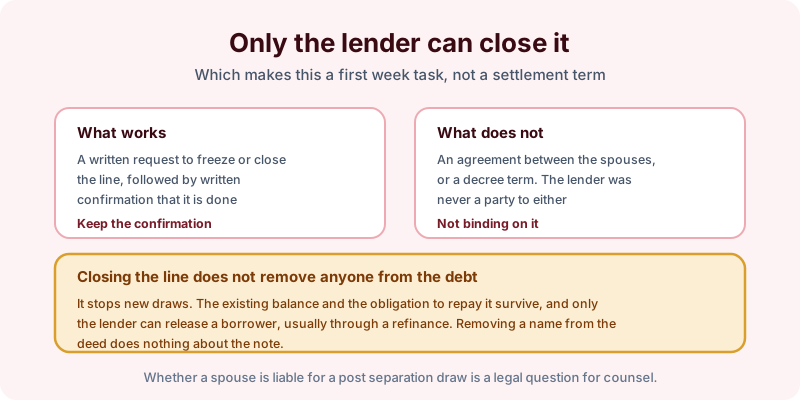
The fix is a written request to the lender to freeze or close the line, followed by written confirmation that it happened. An agreement between the spouses does not accomplish it, and neither does a term in a decree, because the lender was never a party to either.
Two limits are worth stating plainly. Closing the line stops new draws and does not remove anyone from the existing debt. And releasing a borrower from the obligation is something only the lender can do, usually through a refinance, which is the process our note on refinancing the marital home walks through. Taking a name off the deed does nothing about the note, the point our note on one spouse on the deed and both on the mortgage makes.
What the search will and will not settle
The search reports what was recorded and indexed for the parcels and names given, as of its date, with copies: the credit line instrument and its stated maximum, any second mortgage, assignments, junior liens, judgments, and tax status. It also shows a release if the line has already been closed of record, which is how you tell a live encumbrance from a stale one.
It cannot give you the balance, the available credit, the draw history, or whether the line has been frozen. Recording and indexing practice varies by county, and a recent assignment may not be indexed when the search runs.
The takeaway
Identify every open line in the first week, get it frozen in writing, and price the settlement on a lender statement dated close to signing rather than on the recorded maximum. Our products page lists the search terms available. Start the order online, or send us the names and addresses and we will tell you what a search of that scope would and would not cover before anything is ordered.