

· AFX Research
After the Divorce Is Final: Finding Property That Was Missed
Real estate surfaces after a judgment more often than people expect. Why it happens, what a records search can establish about it, and what it cannot.
Table of Contents
A judgment is entered, the file closes, and eighteen months later a client calls because a cousin mentioned a lot in another state, or a piece of mail arrives about a property nobody discussed. It is a more common call than the tidiness of a final decree suggests. The question is what the county record can establish now, and the honest answer is a documented timeline rather than a conclusion. This is the after-the-fact version of finding undisclosed real estate.
Why it surfaces late
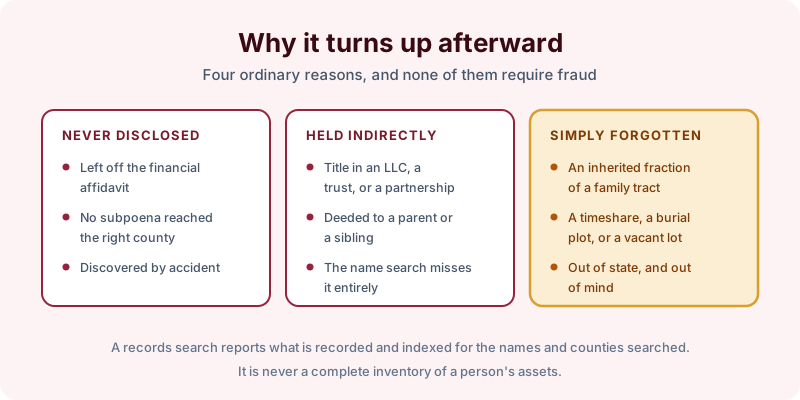
It was never disclosed. Left off a financial affidavit, and no subpoena reached the county where it sat.
It was held indirectly. Title in an LLC, a partnership, or a trust, or deeded to a parent or a sibling, so a search on the spouse’s own name never touched it. That is the ground our note on property in an LLC or trust covers.
Or it was simply forgotten. An inherited fraction of a family tract, a timeshare, a burial plot, a vacant lot bought at a tax sale a decade ago. Not every omission is concealment, and treating an ordinary oversight as fraud is a bad opening move.
What a later search can establish
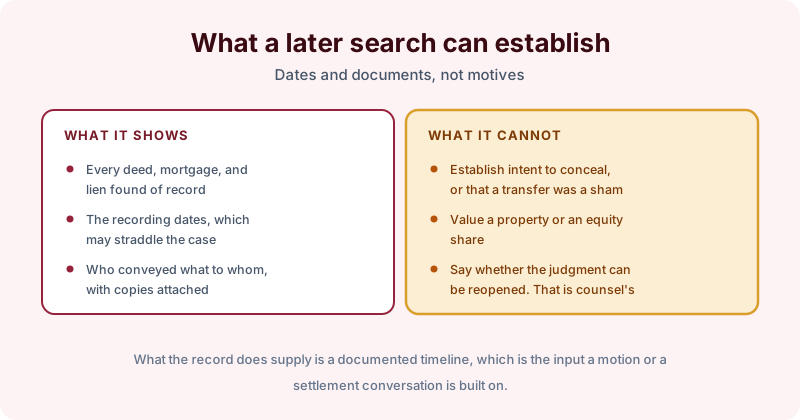
A search of the counties in question returns the deeds, mortgages, liens, and judgments found of record for the names given, with copies and recording dates attached. The dates are usually the most useful part, because they show whether an acquisition or a transfer happened before the marriage, during it, while the case was pending, or after the judgment.
What the record cannot do is supply intent. It does not establish that a transfer to a relative was a sham, that an omission was deliberate, or what an interest is worth. And whether a judgment can be reopened, set aside, or modified on newly discovered assets is a question of state procedure and deadlines that belongs entirely to counsel. What a search contributes is the documentary foundation a motion or a settlement conversation gets built on, which is the same role it plays in divorce discovery.
Two patterns in those dates come up often enough to name. A deed recorded shortly before a petition was filed, conveying property to a relative for nominal consideration, is a fact worth knowing regardless of what it turns out to mean. So is a mortgage taken out during the case against property that was never disclosed, since the loan file behind it may be reachable in a way the county record is not. Neither fact decides anything on its own. Both change what questions get asked next.
Scoping it honestly
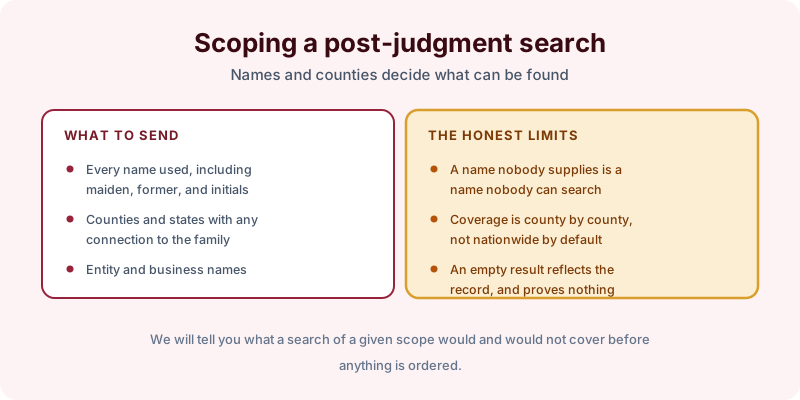
Coverage depends on two inputs. Names: every version either spouse has used, including maiden names, former married names, middle initials, and nicknames that show up on deeds. And places: the counties and states with any connection to the family, including where relatives live, where the family vacationed, and where a business operated. Entity and business names belong on the list too.
The limits deserve saying plainly. A name nobody supplies is a name nobody can search. Coverage is county by county rather than nationwide by default. And a records search is never a complete inventory of a person’s assets, so an empty result reflects the record and the scope rather than proving nothing exists. Send us what you have and we will tell you what a search of that scope would and would not cover before anything is ordered, which is described on our more information page.
It is also worth checking whether the property still exists in the form anyone remembers. Parcels get sold at tax sale, lost to foreclosure, taken by a municipality, or split and replatted, and a search will show that history with the instruments attached. Learning that a lot was foreclosed three years ago is a cheaper outcome than building a motion around an asset that is gone.
The takeaway
If something surfaces after the judgment, start with the record and the dates rather than with an accusation. A documented chain of what was recorded and when is what lets counsel decide whether there is anything to pursue. Start the order online, or send us the names and addresses and we will scope it with you first.