

· AFX Research
When the Home Is Held by an LLC or a Trust: Reading the Record
Why a search under a spouse name can come back empty, what a recorded deed to an entity actually shows, what stays private, and which names to supply before searching.
Table of Contents
A search run against both spouses’ names comes back with nothing, and everyone in the room reads that as an answer. Sometimes it is. Often it means the property was deeded to an LLC in 2019, or moved into a family trust as part of an estate plan, and the county index is doing exactly what it is designed to do: listing the owner named on the deed. Our guide to finding undisclosed real estate covers the wider problem. This one is about the specific case where the property is findable, but not under the name you searched.
The index follows the deed
County land records are indexed by the names on the instruments and by the parcel. When a deed conveys a house to Maple Street Holdings LLC, the grantee in that index is Maple Street Holdings LLC. A search of the grantor and grantee indexes under an individual’s name will not surface it, because that name is not on the document.
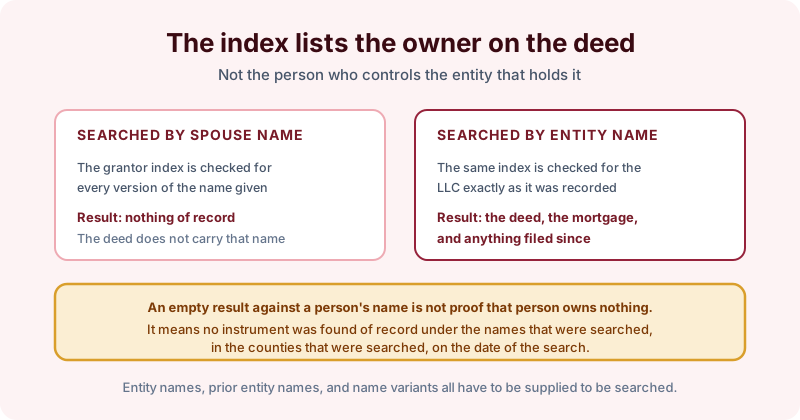
This is worth stating plainly because it changes how an empty result should be read. A report that finds nothing under two personal names is evidence about those names in those counties on that date. It is not a finding that neither spouse holds real estate, and it never was.
The fix is not complicated, but it does require information. Entity names have to be supplied so they can be searched, including names the entity used before it was renamed, and including the spelling variants that indexes treat as different strings. A judgment docketed against an individual will not appear under the LLC either, which is the same problem running the other direction.
What a deed to a trust tells you, and what it does not
Trusts behave differently from entities, and the difference matters in a property settlement.
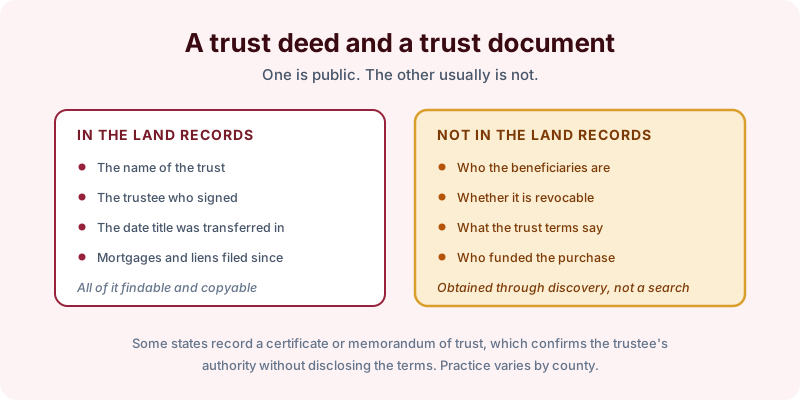
The recorded deed gives you real, useful facts: the name of the trust, the trustee who took title, the date the property went in, and everything filed against the property since. If a mortgage was taken out after the transfer, it is there. If a lien attached, it is there.
What the record almost never gives you is the trust itself. The trust instrument, the beneficiaries, whether it is revocable, and who actually funded the purchase are private documents, and they arrive through discovery rather than through a records search. Some states record a certificate or memorandum of trust confirming the trustee’s authority without disclosing the terms, and practice on that varies by county. A memorandum tells you the trustee could sign. It does not tell you who benefits.
Timing is its own piece of evidence
A transfer into an entity or trust carries a recording date, and the date is frequently the most useful thing in the report. A deed into an LLC recorded years before the marriage broke down reads very differently from one recorded six weeks after a separation date, and the recorded chain shows which one happened.
That is a fact the record establishes cleanly: who conveyed what, to whom, and when. What that fact means legally, whether a transfer was appropriate, whether the property is marital or separate, and what remedies apply, are questions for the attorney handling the matter under the law of the state where the property sits. The abstractor’s job stops at documenting what was filed, with copies attached.
Give the search enough to work with
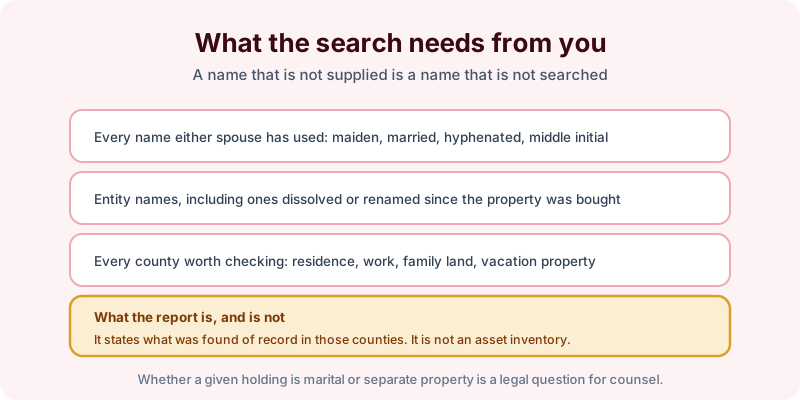
Send every name either spouse has used, entity names including dissolved and former ones, and the counties worth checking. County choice is as decisive as name choice, since a search only reaches the counties it is run in. Our products page sets out the scopes available, and our process page covers what the work involves.
Then read the result for what it is. Recording and indexing practice varies, a search reports what has been recorded, and an empty result does not prove nothing exists. Those hedges are not lawyerly padding. They are the difference between a report you can rely on in a settlement and one that gets overstated in a hearing.
The takeaway
Search the entity, not just the person, treat a recorded deed to a trust as a starting point rather than an answer, and use the recording dates. Start the order online, or send us the names, entities, and counties and we will tell you what a search of that scope would and would not cover before anything is ordered.