

· AFX Research
Farm and Ranch Land in a Divorce: Reading the Acreage Record
Why one farming operation spans many parcels and owners, which interests travel separately from the ground, and how deep a search of family acreage has to go.
Table of Contents
Farm ground is the hardest property type to inventory in a divorce, and not because anyone is hiding anything. An operation assembled across three generations is genuinely complicated: many parcels, several counties, a partnership somebody formed in 1978, a parent still on title to the home quarter, and ground the family farms without owning. Sorting it out is records work before it is anything else, and the county list is where it starts.
One operation, many records
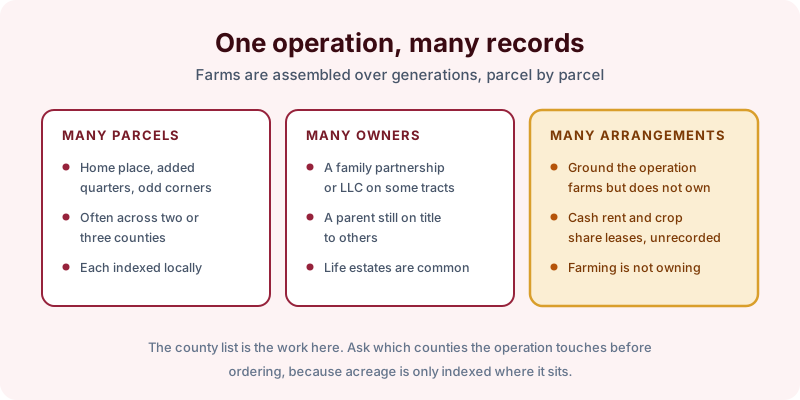
Farms grow by acquisition, one tract at a time, so a single operation routinely holds the home place plus added quarters and odd corners, frequently spread across two or three counties. Each parcel is indexed only where it sits.
Ownership is layered too. Some tracts stand in a family partnership or LLC, some in a parent’s name, and life estates are unusually common on agricultural land, where a parent conveys the remainder and keeps the right to occupy. Entity held property is searched against the entity rather than the person.
The distinction that trips people up: farming ground is not owning it. A large share of American farmland is rented, under cash rent or crop share arrangements that are typically unwritten or unrecorded. An operation’s acreage figure and its owned acreage are different numbers, and only the second one is in the land records.
What travels separately
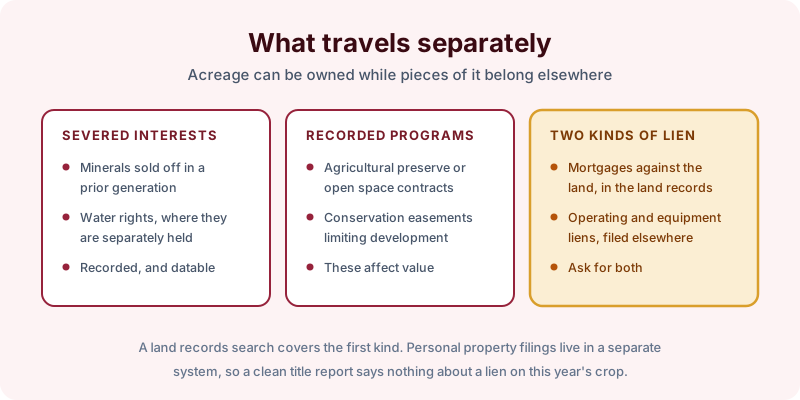
Acreage can be owned outright while pieces of it belong somewhere else entirely.
Severed interests. Minerals may have been sold or reserved in a prior generation, and in some states water rights are held and transferred separately from the land. Both are recorded and datable, and both affect value materially.
Recorded program contracts. Agricultural preserve or open space contracts, and conservation easements, restrict development and are recorded against the land. They can lower market value substantially while producing tax benefits, which makes them a valuation argument rather than a records one. What the search contributes is the instrument and its date, so both sides are arguing from the same document.
Two kinds of lien. Mortgages against the land sit in the land records where a title search finds them, and our note on liens against marital property covers how those behave. Operating loans, equipment financing, and crop liens are personal property filings kept in a separate system, so a clean title report says nothing whatsoever about a lien on this year’s crop or on the combine parked beside it. Ask for both if the operation’s debt matters to the settlement, and expect the two searches to return in different formats.
Scoping an acreage search
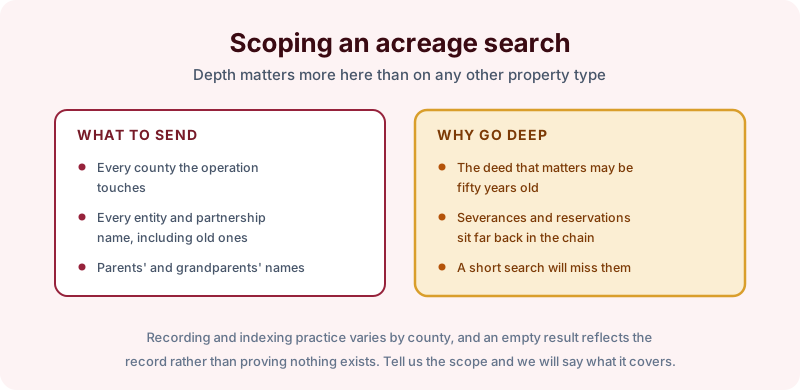
Send every county the operation touches, every entity and partnership name including ones no longer in use, and the names of the older generation. Grandparents’ names find life estates and reservations that nobody currently farming thinks to mention.
Then choose depth deliberately. On ground held in one family for fifty years, the deed that decides the character of the property may be decades old, and mineral severances sit further back still. A short search on long held acreage produces a clean report that answers the wrong question.
Read the result for what it is. It reports what was found of record in the counties searched, on the date searched, with copies. Recording and indexing practice varies from county to county, a search is never a complete inventory of what someone owns, and an empty result does not prove nothing exists. How a court treats any of it is for counsel.
The takeaway
Build the county and entity list before ordering anything, separate owned ground from rented ground early, ask for the personal property filings alongside the land records, and go deep enough to reach the severances. Start the order online, or send us the names and the counties and we will tell you what a search of that scope would and would not cover before anything is ordered.