

· AFX Research
Divorce and a 1031 Exchange Property, and the Search Behind It
Where an exchange timetable collides with a decree, what the land record does and does not show about an exchange, and how to find the replacement property.
Table of Contents
Investment property held through a 1031 exchange carries a timetable that does not negotiate. Replacement property has to be identified within a fixed window and acquired within another, and the whole structure depends on the same taxpayer continuing to hold the property. A divorce introduces a second timetable, set by a court, with no obligation to accommodate the first.
That collision is the whole subject. The search work around it is mostly about finding property that somebody may not have listed, which is the same exercise as finding undisclosed real estate in a divorce, with an extra reason to look in other counties.
The record shows the deeds, not the exchange
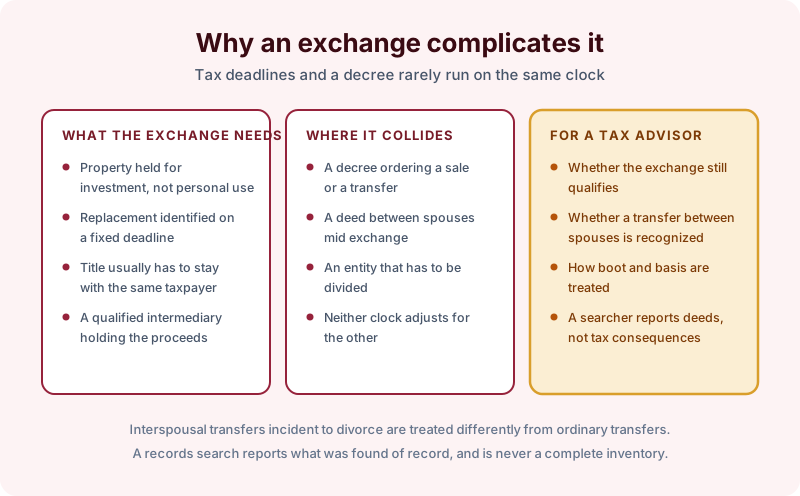
This is the part that surprises people. An exchange is a tax structure, and tax structures do not get recorded. What appears in the land record is a deed out of the relinquished property and, some weeks or months later, a deed into the replacement property, sometimes with a qualified intermediary sitting in the chain between them.
What does not appear is the exchange agreement, the identification notice, which funds were exchange proceeds, or any statement that the property was held for investment. A searcher reading the record sees a sale followed by a purchase.
Finding the replacement property
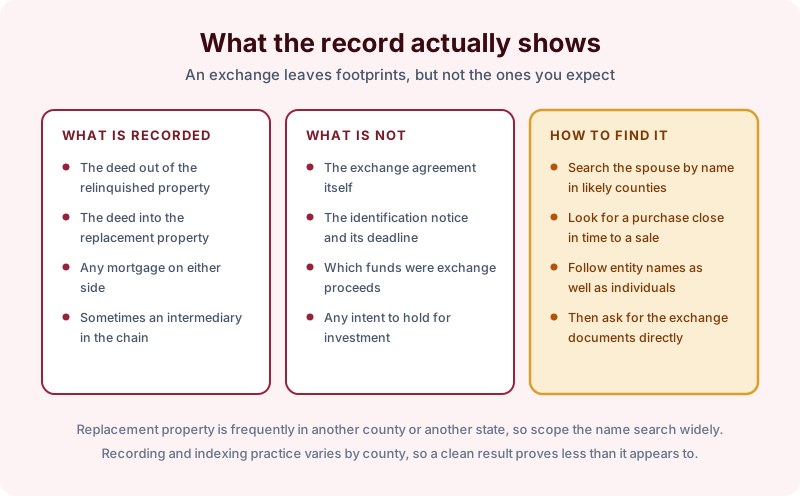
The practical method is a name search run widely rather than a parcel search run deeply. Replacement property is frequently in another county and very often in another state, because the whole point of an exchange is that the investor was free to buy elsewhere.
Look for a purchase that sits close in time to a sale. Follow entity names as well as individual names, since exchange property is commonly taken in an LLC, which is the territory of property in an LLC or trust. Then ask for the exchange documents directly, because the record will not supply them.
Run former names too. A spouse who acquired property under a prior name is indexed under that name, and nothing corrects the index afterwards, which is the point made in name changes after divorce and the property record.
Settling it
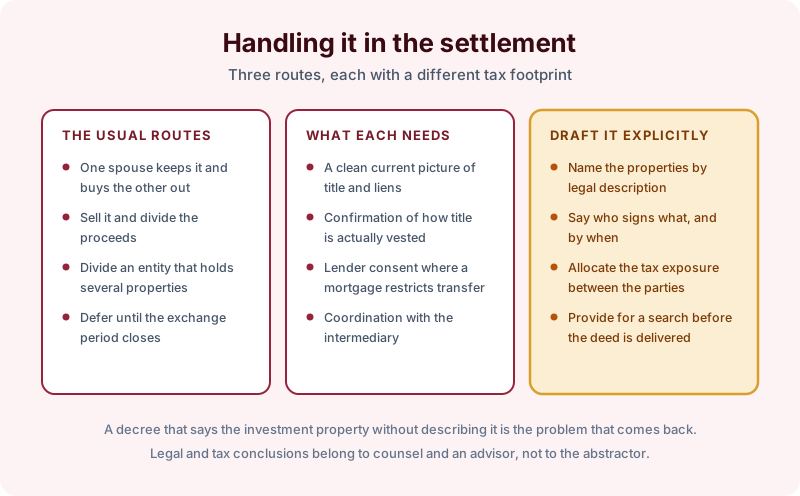
There are four ordinary routes. One spouse keeps the property and buys the other out. The property is sold and the proceeds divided. An entity holding several properties is divided. Or the parties defer the question until the exchange period has closed, which is sometimes the cleanest answer available.
Each of them needs the same factual base, which is a current picture of how title is vested and what is recorded against it. Where a mortgage restricts transfer, lender consent becomes part of the timetable too.
The drafting point worth insisting on is specificity. A decree that awards “the investment property” without a legal description is the document that comes back as a dispute. Name the properties, say who signs what and by when, allocate the tax exposure between the parties explicitly, and provide for a search before any deed is delivered.
What belongs to somebody else
Whether the exchange still qualifies after a divorce transfer, whether an interspousal transfer incident to divorce is recognized for tax purposes, and how basis and boot are treated are questions for a tax advisor and for counsel. Transfers between spouses incident to a divorce are treated differently from ordinary transfers, and that difference is precisely the kind of thing a searcher should flag and not opine on.
A records search reports what was found of record in the offices searched, as of its date. It is not a complete inventory of a person’s assets, and recording practice varies by county.
The takeaway
Search the names, not just the parcel, and search them across every county either spouse might plausibly have bought into. Expect the record to show two ordinary deeds and nothing about the structure joining them. Then get the exchange documents from the parties and put the tax question in front of somebody licensed to answer it. Start the order online, or send us the names and addresses and we will tell you what a search of that scope would and would not cover before anything is ordered.