

· AFX Research
Name Changes After Divorce: Searching the Property Record
A spouse who resumes a former name leaves filings under two names in two places. Which names to send, why the dates matter, and what a search cannot connect on its own.
Table of Contents
A decree that restores a former name changes what a person is called going forward. It changes nothing about the county record, which keeps every document exactly where it was filed, under whichever name was current on the day. That produces two problems in opposite directions: a search run on one name misses what was filed under the other, and a chain of title that comes in under one name and goes out under another reads as a break. Both are ordinary, and both are cheaper to handle at intake than at a closing. The wider version of this scoping problem appears in our note on finding undisclosed real estate.
One person, two indexes
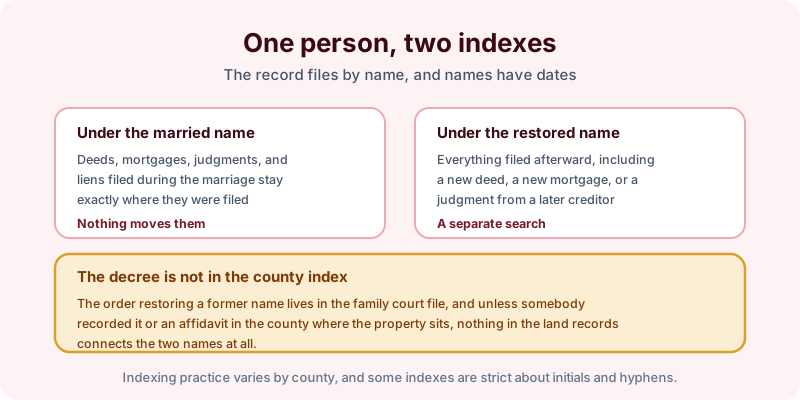
Land records and judgment dockets are organized by party. A mortgage signed in 2014 under a married name sits under that name permanently, and a judgment docketed in 2027 under a restored name sits under the new one. Nothing migrates.
The part people find surprising is that the decree itself is usually not in the land records at all. It lives in the family court file, in whatever county the case was heard, and unless somebody recorded it or an affidavit in the county where the property sits, there is no document in the index connecting the two names. A searcher cannot infer the connection, and should not.
What to send at intake
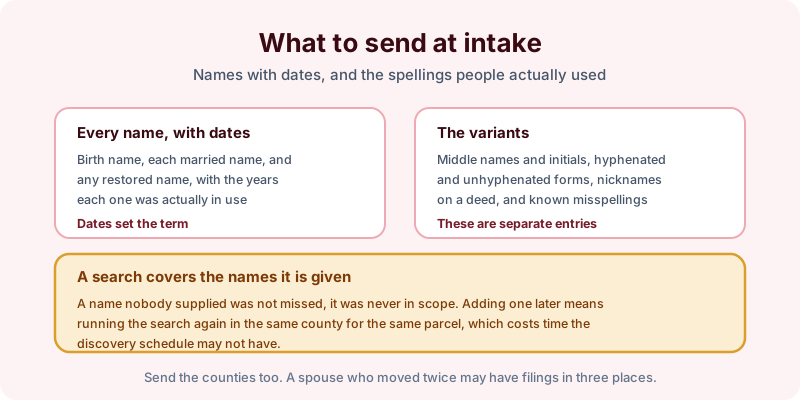
Two categories, and the second is the one that gets left out.
Every legal name, with dates. Birth name, each married name, and any restored name, along with the years each was actually in use. The dates matter as much as the names, because they tell us which name to search over which period.
The variants. Middle names and initials, hyphenated and unhyphenated forms, a nickname that appeared on a deed, and any misspelling anyone remembers. Some county indexes are unforgiving about punctuation, and these are separate entries rather than close enough.
Send the counties too. A spouse who moved twice during a marriage may have filings in three places, and a name search is only as wide as the jurisdictions it covers. A name that was never supplied was not missed, it was never in scope, and adding one later means running the search again on the same parcel.
In as one name, out as another
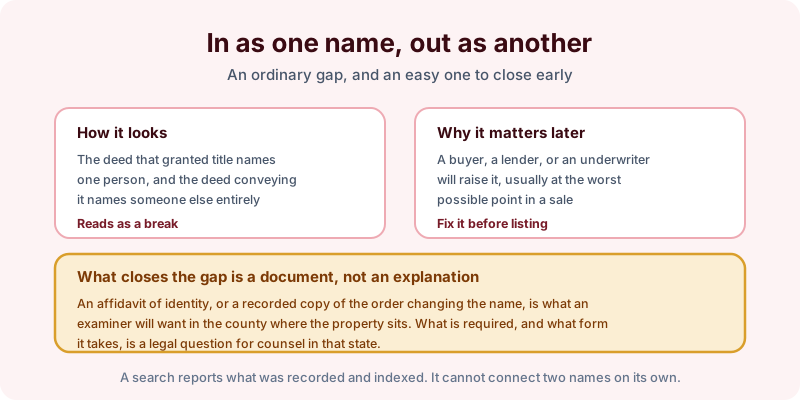
When the marital home is sold or refinanced later, this becomes somebody’s problem on a schedule. The deed that granted title names one person, the deed conveying it names another, and a buyer’s underwriter raises the gap. What closes it is a document rather than an explanation, usually an affidavit of identity or a recorded copy of the order, and what is required varies by state, so it is a question for counsel.
The practical advice is to handle it while the file is still open rather than three years later, particularly where a sale is contemplated. Our note on selling the marital home covers the rest of the record work a sale needs.
What the search will and will not settle
Given the full name history, the search reports what was recorded and indexed for those names and parcels, as of its date, with copies: deeds, mortgages, judgments, tax liens, and releases. It will show filings under a married name that postdate the decree, which is frequently the point, and it pairs with the timing question in our note on judgment liens recorded after the decree.
It cannot connect two names by itself, it cannot confirm a legal name change occurred, and it does not reach the court file where the order lives. Recording and indexing practice varies by county, so an empty result reflects the index rather than proving nothing exists.
The takeaway
Write down every name either spouse has used, with dates and counties, and send that list with the order rather than after the report raises a question. Our process page explains what happens at intake. Start the order online, or send us the names and addresses and we will tell you what a search of that scope would and would not cover before anything is ordered.