

· AFX Research
Short Sale of the Marital Home, and the Search Behind It
Why a short sale turns on every junior lien rather than the mortgage, what the record has to show before the price is agreed, and who decides what.
Table of Contents
A short sale is a sale for less than the mortgage balance, with the lender agreeing to release its lien and take the shortfall. In a divorce it is often the only way to get out of a house neither spouse can afford alone, and it is one of the few settlement routes where the paperwork, rather than the price, decides whether it closes.
The reason is simple. The first mortgage holder approves the deal, but it is not the only party that has to let go — and that fact drives the whole timeline. It connects directly to liens against marital property, because a short sale is that problem with a deadline attached.
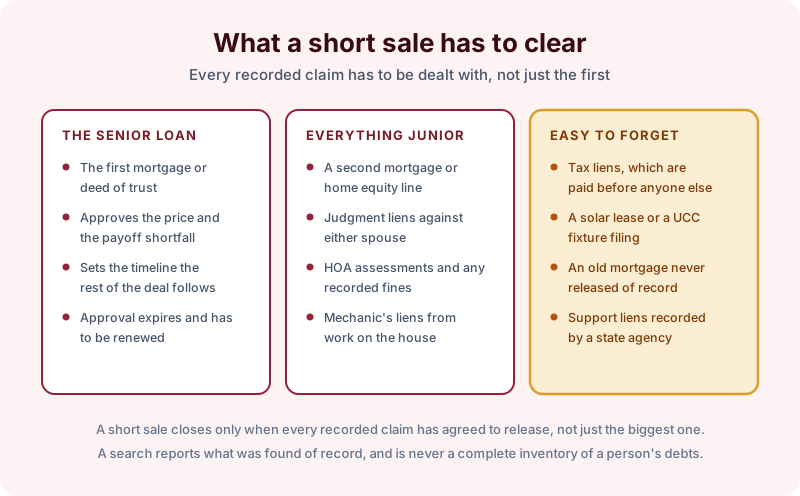
Everything recorded has to release
Title cannot transfer clean while a recorded claim is still attached, so every one of them needs a release. The senior loan sets the price and the timetable. Underneath it sit the things that actually stall closings, meaning a second mortgage or equity line, judgment liens against either spouse, HOA assessments and fines, mechanic’s liens from work somebody had done.
Then there are the items nobody lists. Tax liens, which get paid ahead of everyone. A solar lease with a UCC fixture filing behind it, covered in solar panel leases and liens on the marital home. An old mortgage that was paid off years ago and never released of record. Support liens filed by a state agency, which are indexed by name rather than by parcel and are easy to miss if the search only runs the address.
The small lien with the veto
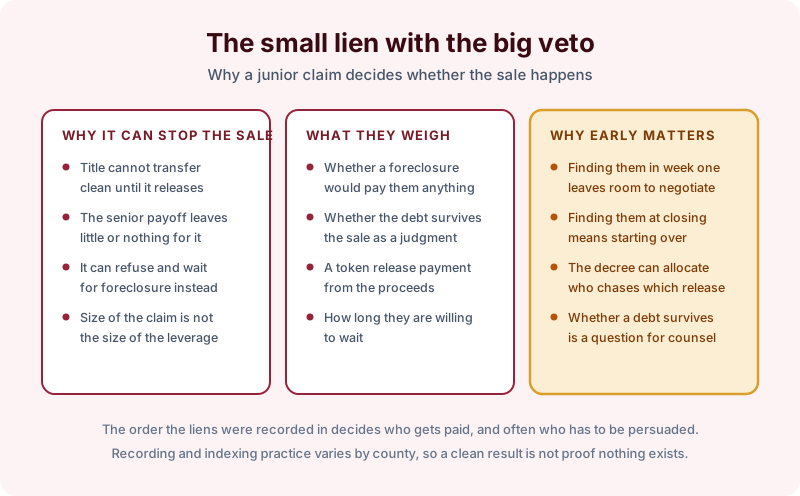
A junior lienholder in a short sale is usually being offered very little, because the senior payoff consumes the proceeds. It can refuse, sit on its claim, and let a foreclosure happen instead. The size of the debt has nothing to do with the leverage — an eight thousand dollar judgment can stop a four hundred thousand dollar sale.
What that holder is weighing is whether foreclosure would pay them anything, whether the debt survives the sale as a personal judgment they can still collect, and whether a token release payment now beats waiting. Those calculations are why finding junior claims in week one matters so much. Found early, there is room to negotiate a release and to write it into the settlement. Found at the closing table, the deal restarts.
What the report actually settles
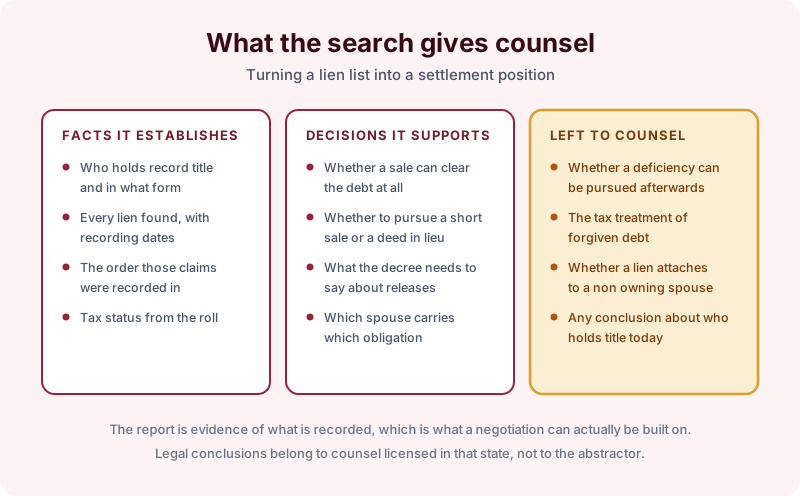
The search establishes who holds record title and in what form, every lien found of record with its recording date, the order those claims were recorded in, and the tax status from the roll. That is the factual base a negotiation can be built on, and it is what lets counsel draft a decree that allocates who chases which release rather than leaving it to be discovered later.
It does not settle whether a deficiency can be pursued afterwards, how forgiven debt is taxed, or whether a particular lien attaches to a spouse who is not on the deed. Those are legal questions for counsel licensed in that state. And a clean report means nothing was found of record in the offices searched, which is a narrower statement than nothing exists — recording and indexing practice varies by county, and some claims are simply never recorded.
Run both names, not just the address
A judgment against one spouse can attach to property that spouse owns, and it is indexed under that spouse’s name rather than under the parcel. A parcel-only search misses it entirely. Run both spouses, including former names and any variation the record might carry, which is the same discipline described in name changes after divorce and the property record.
The takeaway
A short sale in a divorce is a release-gathering exercise with a clock on it. The mortgage sets the price, the junior claims decide whether it closes, and the ones that surface late are the ones that kill it. Get the recorded picture before the price is agreed, run both names, and let counsel take it from there. Start the order online, or send us the names and addresses and we will tell you what a search of that scope would and would not cover before anything is ordered.