

· AFX Research
A Marital Home With Deferred Property Taxes or an Exemption
A deferral is not relief, it is a secured loan from the county that has been accruing interest quietly. It comes due on transfer, and the title search may never mention it.
Table of Contents
Property tax relief shows up in a lot of marital homes, particularly where one spouse is older, disabled, or a veteran. It usually arrives as a lower bill and gets filed mentally under good news, and in the case of an exemption that is exactly right.
A deferral is a different animal wearing the same clothes. The county is not reducing the tax, it is lending the money to pay it, charging interest, and securing the whole balance against the house. Ten years of that can be a substantial number, and it almost never appears in a settlement discussion because nobody went looking for it.
Relief that is a loan, and relief that is not
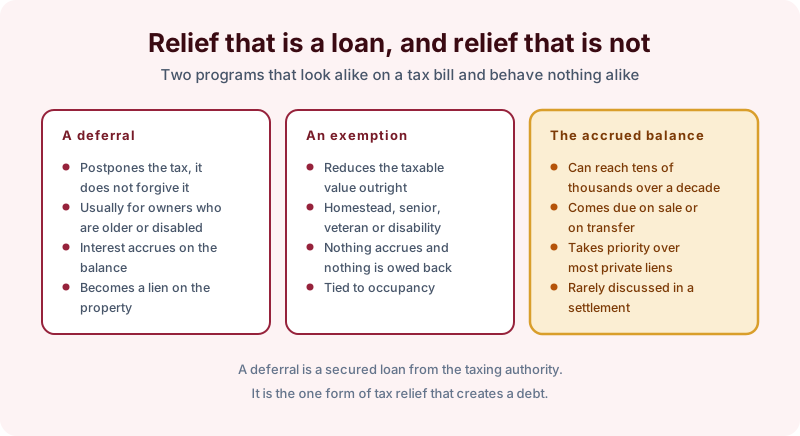
An exemption lowers the taxable value. Homestead, senior, veteran and disability exemptions all work this way, nothing accrues, and nothing is ever owed back. The only thing to watch is that most of them require the owner to occupy the property.
A deferral postpones the tax. The unpaid amount accumulates with interest at a rate set by statute, and the accumulated total becomes a charge against the property that generally outranks private liens. On a home where an elderly owner deferred for a decade, the balance can exceed the equity either spouse expected to divide.
Where it shows and where it hides
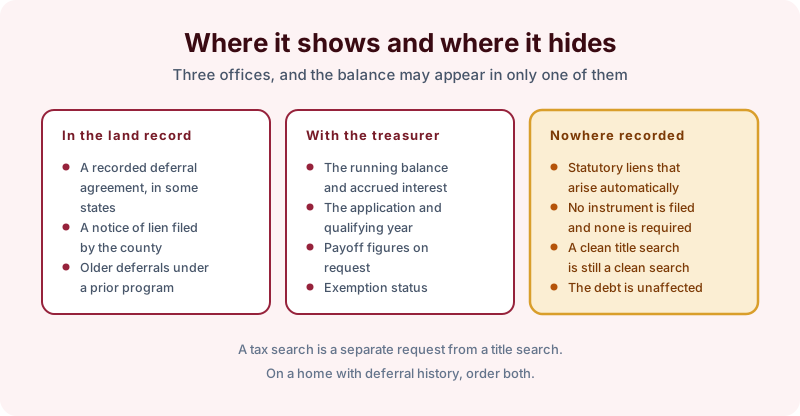
Some states require the county to record a notice of the deferral, in which case it turns up in a search like any other filing.
Many do not. The lien arises by statute the moment the deferral is granted, no instrument is recorded, and the title search comes back clean because there is genuinely nothing in the land record to find. The debt is entirely unaffected by that.
This is why a tax status search is a separate request, and why it is the one to make here. The treasurer holds the balance, the interest, the qualifying year and a payoff figure, and will usually provide them on a written request. The same split between the recorded record and the collector’s file runs through property tax records in a divorce title search generally.
What a transfer does to it
This is the part that surprises people after the decree rather than before it.
Most deferral programs end on sale. Many end on any transfer of title, and an interspousal deed under a divorce decree is a transfer of title. Whether a given program treats it as a triggering event varies by state, and some have an express carve out for transfers between spouses while others say nothing at all.
If it triggers, the entire deferred balance with interest becomes payable, usually within a short window. A buyout structured around an agreed equity figure can become unworkable overnight on a payoff demand nobody modeled.
The exemption side has its own trap. Where the exemption depends on occupancy, the spouse who moves out may lose theirs at the next assessment cycle, and in states with assessment caps a transfer can reset the assessed value entirely. The tax bill the budget was built on is not the bill that arrives.
What to settle before agreeing a number
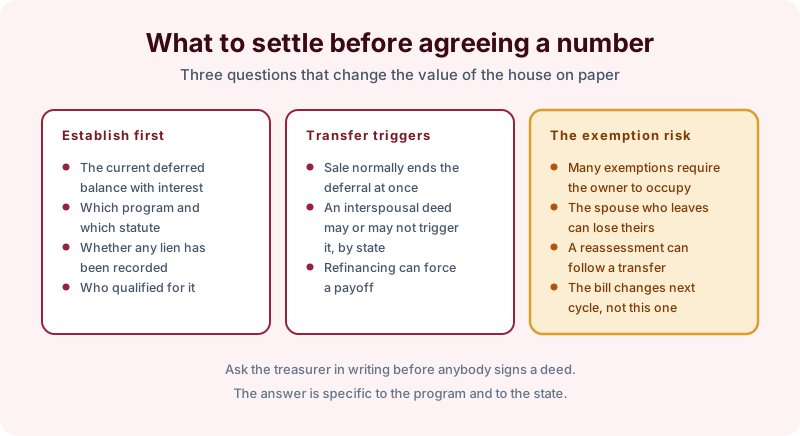
Establish the deferred balance in writing from the treasurer, identify the program by name, and ask directly whether a transfer under a divorce decree triggers repayment. Ask the same question about a refinance, because a buyout that depends on the remaining spouse refinancing may force the payoff by a different route than assuming the mortgage instead of refinancing in a divorce.
Then treat the answer as a line in the division rather than a footnote. A deferral is debt secured by the house, and it belongs in the equity calculation alongside the mortgage and any liens against marital property.
The takeaway
Lower tax bills are not all the same. An exemption costs nothing and an occupancy condition is the only thing to watch. A deferral is a loan with a priority claim on the home, it may be invisible in the land record, and transferring the property may call the whole balance.
We can run the title search and point you at the right office for the tax side. Tell us the property or order a search.