

· AFX Research
A Marital Home on Leased Land in a Divorce, What to Check
They own the house and somebody else owns the ground. What the county record shows, what the lease controls, and why a search can correctly return almost nothing.
Table of Contents
A couple divorcing after eleven years own a home in a land lease community. There is no deed in either name, the county search returns nothing against them, and a settlement conference proceeds on the assumption that there is no real estate to divide. There is an asset, it is substantial, and it is not real property. Whether it can be awarded to one spouse at all is decided by a lease neither of them has read since they signed it. This is the sharper version of the question in manufactured homes in a divorce.
What leased land means
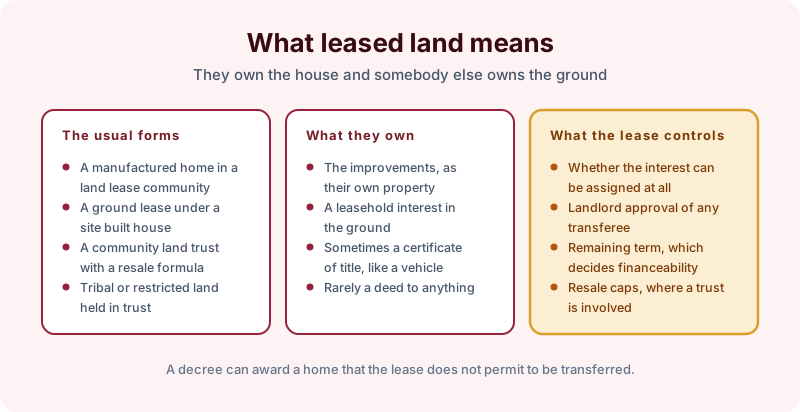
Four arrangements account for nearly all of it. A manufactured home in a land lease community, which is the most common by a wide margin. A ground lease under a site-built house. A community land trust, where the trust owns the land and the occupant owns the improvements subject to a resale formula. And land held in federal trust status, where the recording system itself is different.
What the couple owns in each case is the improvements as their own property, a leasehold interest in the ground, and frequently a certificate of title for the home that behaves much like a vehicle title. What they rarely own is a deed to anything.
The lease decides what can happen next. Whether the interest can be assigned at all. Whether the landlord must approve a transferee, and on what criteria. How much term remains, which determines whether anybody can finance it. And in a land trust, a recorded resale cap that limits the price regardless of what the market would pay.
Where the records sit
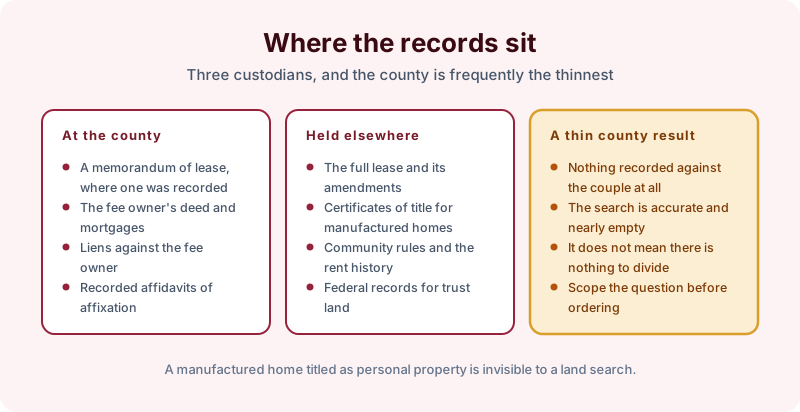
At the county you may find a memorandum of lease where one was recorded, the fee owner’s deed and mortgages, liens against the fee owner, and any recorded affidavit of affixation converting a manufactured home to real property.
Held elsewhere is almost everything else. The full lease and its amendments. The certificate of title, which sits with a motor vehicle agency in most states. Community rules and the rent history. Federal land title records where the ground is in trust.
So a thin county result is the expected outcome rather than a surprise, and it has to be read correctly. Nothing recorded against the couple means the search found nothing of record, not that there is nothing to divide. A manufactured home still titled as personal property is entirely invisible to a land records search, and that is the normal case rather than a defect.
What this does to a settlement
Three practical consequences. The asset has to be valued without the land, which is a different exercise and usually produces a lower number than owners expect. The award has to be one the lease permits, because a decree assigning the home to a spouse the landlord will not approve achieves nothing. And where the home was converted to real property by a recorded affidavit, the analysis flips entirely and the ordinary rules in marital versus separate property apply.
That conversion question is worth settling early, because the two answers lead to different courts, different documents and different remedies. Recording and titling practice varies considerably by state, so no assumption from a previous case transfers.
Scoping the search
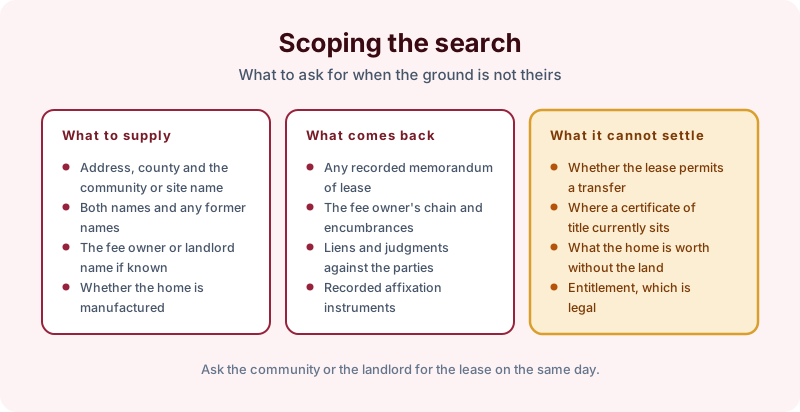
Give us the address, county and the community or site name, both names with any former names, the fee owner or landlord name if known, and whether the home is manufactured. What comes back is any recorded memorandum of lease, the fee owner’s chain and encumbrances, the liens and judgments against the parties, and any recorded affixation instrument.
What it cannot settle is whether the lease permits a transfer, where the certificate of title currently sits, what the home is worth without the land, or who is entitled to it. The first three are inquiries elsewhere and the last is for counsel. Our more information page sets out what a search of a given scope covers.
The takeaway
When the ground belongs to somebody else, the land record is the thinnest of the three places the answer lives, and an empty report is the expected result rather than good news. Get the lease and the certificate of title before the asset is valued or awarded. Start the order online, or send us the address and the community name and we will tell you what a search of that scope would and would not cover before anything is ordered.