

· AFX Research
A Marital Home With an Unpermitted Addition, What to Check
Four hundred square feet that may not legally exist. It is not a title defect, the search will come back clean, and the liens arrive years after the work.
Table of Contents
The house has a sunroom and a finished basement apartment that were built in 2016 by a contractor one of the spouses knew. There are no permits, no inspections and no certificate of occupancy covering either. The title search comes back entirely clean, because none of that is a title matter, and the property is nonetheless worth less than the parties think and carries an exposure that attaches to whoever ends up with it. This sits alongside a marital home with an accessory dwelling unit, without the permission.
What an addition creates
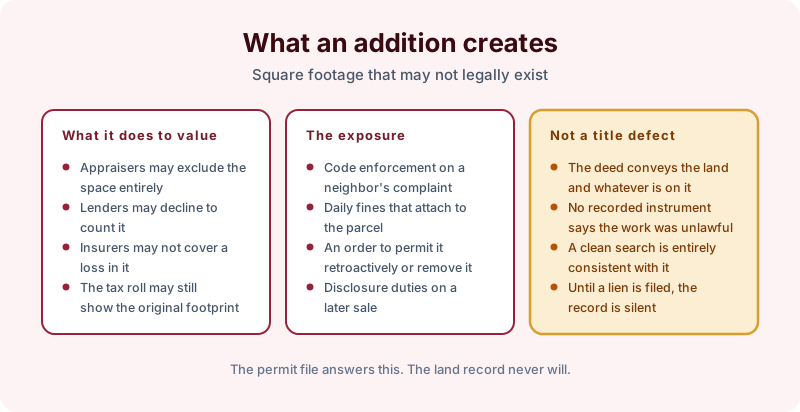
What it does to value is immediate and usually under-counted. Appraisers may exclude unpermitted space from the square footage entirely. Lenders may decline to count it for financing. Insurers may decline to cover a loss occurring in it. And the assessor’s roll may still show the original footprint, which means the tax bill has been understating the house for years and will correct itself eventually.
The exposure is contingent rather than certain. Code enforcement opens on a neighbor’s complaint far more often than on an inspection. Fines can accrue daily. An order may require permitting the work retroactively or removing it. And a disclosure obligation attaches on a later sale, which is the point at which it reaches selling the marital home.
None of that makes it a title defect. The deed conveys the land and whatever stands on it, no recorded instrument says the work was unlawful, and a clean search is entirely consistent with an addition that should never have been built. Until somebody records a lien, the land record is silent.
What the record shows
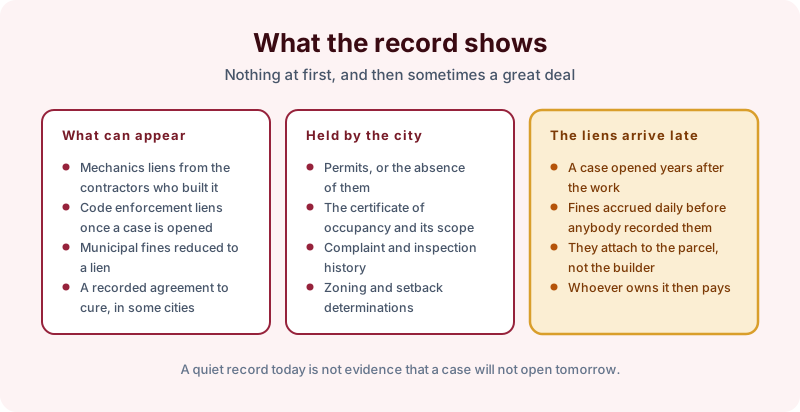
What can appear is mechanics liens from the contractors who built it, code enforcement liens once a case opens, municipal fines reduced to a lien, and in some cities a recorded agreement to cure.
Held by the city is everything that answers the question. Permits or their absence. The certificate of occupancy and what it actually covers. Complaint and inspection history. Zoning and setback determinations.
The timing is what makes this awkward in a divorce. The liens arrive late. A case opened years after the work, fines accrued daily before anybody recorded anything, and the resulting lien attaches to the parcel rather than to the person who built the sunroom. Whoever owns the house when it lands pays it, which is the same mechanism as in mechanics liens on the marital home.
How to handle it in a settlement
Three things are worth doing before the property is valued or awarded.
Establish what the appraiser counted. An appraisal that included 400 unpermitted square feet is reporting a number the market may not pay and a lender will not finance.
Get the permit file. It costs very little, it answers the question definitively, and it tells you whether a case is already open.
And allocate the cure explicitly. Retroactive permitting can require opening walls, upgrading systems to current code, or removing the work entirely, and the cost range is wide enough that leaving it unaddressed means one party has silently taken it on.
Recording and enforcement practice varies considerably between municipalities, so no assumption from another property transfers.
Scoping the search
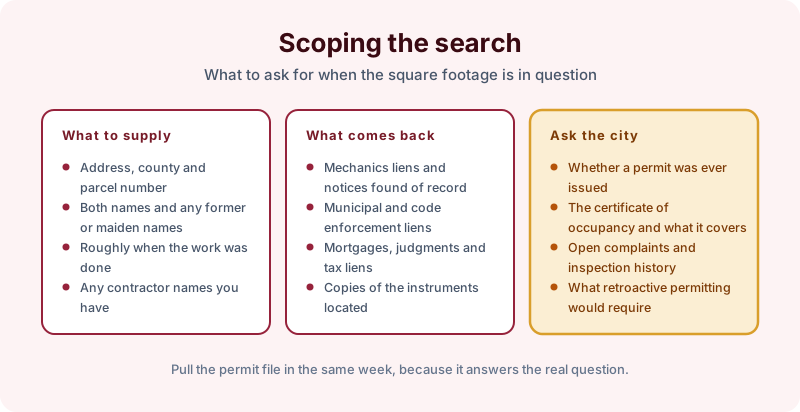
Give us the address, county and parcel number, both names with any former or maiden names, roughly when the work was done, and any contractor names you have. What comes back is the mechanics liens and notices found of record, the municipal and code enforcement liens, the mortgages, judgments and tax liens, and copies of the instruments located.
Ask the city whether a permit was ever issued, what the certificate of occupancy covers, whether any complaint is open, and what retroactive permitting would require. A records search reports what was recorded and indexed over the term searched, and an empty result does not establish that no case will open.
The takeaway
This is the clearest example in the whole lane of a real problem that a title search correctly reports nothing about. Run the search for the liens that may already have landed, and pull the permit file for the question the record cannot answer. Start the order online, or send us the address and the approximate build date and we will tell you what a search of that scope would and would not cover before anything is ordered.